
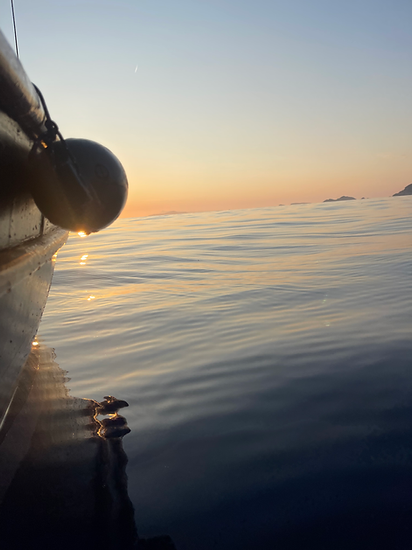

That first moment at the helm is usually the same for everyone - one hand on the wheel, one quick look at the water, and a thought that goes something like, Can I actually do this? The good news is yes. If you're wondering how to drive a rental boat, the answer is simpler than most first-time renters expect. With a good safety briefing, calm conditions, and a little common sense, driving a small rental boat is very manageable, even if this is your first real day on the water.
The key is not trying to drive it like a car. A boat responds more slowly, keeps moving after you reduce speed, and is affected by wind and gentle swell. Once you understand that, everything starts to feel much more natural.
How to drive a rental boat without overthinking it
Most beginner-friendly rental boats are designed to be easy to control. You are not dealing with a large yacht, heavy marina traffic, or advanced navigation. You are usually heading out for a relaxed coastal day - swimming, stopping in quiet bays, and exploring beautiful spots that are better reached by sea.
Before you leave, pay close attention to the handover. This matters more than any article. A proper briefing should show you how to start the engine, use the throttle, steer, stop safely, and anchor correctly. You should also get clear local guidance on where to go and where not to go. If anything feels unclear, ask again. There is nothing awkward about wanting one more explanation before you set off.
Confidence on the water comes from keeping things simple. Start slow, give yourself space, and remember that smooth movements are better than sudden ones.
Start with the controls
Every rental boat has small differences, but the basics are usually straightforward. The wheel controls direction. The throttle controls speed and forward or neutral position. Some setups also include reverse, but beginners should use reverse gently and only when necessary, especially near a dock.
When you first move away, do it at low speed. That gives you time to feel how the boat responds. Turn the wheel a little and notice the delay. Boats do not react instantly like cars. If you turn sharply and add too much throttle, the ride will feel less comfortable for everyone on board.
A calm operator makes for a calm boat. That sounds obvious, but it is true. Gentle acceleration, wide turns, and early slowing down will make the whole trip easier.
Steering feels different from driving a car
The biggest surprise for most people is momentum. Even after pulling back on the throttle, the boat keeps gliding. That means you need to think ahead. If you want to approach a beach area, a swimming stop, or a mooring point, reduce speed early.
Wind can also push the boat slightly off line. This is normal. Small corrections work better than big ones. If the bow drifts, do not fight it with quick aggressive steering. Ease the wheel, keep your speed under control, and let the boat settle.
Speed is not the goal
A rental boat day is about freedom, not rushing. Beginners often feel tempted to go faster once they realize the boat is easy to handle. Sometimes that is fine in open water and good conditions, but speed should always match the sea state, the number of passengers on board, and how confident you feel.
Near caves, bays, swimmers, anchored boats, and rocky coastline, slow is the right speed. It gives you more time to react and lets you enjoy the scenery instead of worrying about the next maneuver.
Your first few minutes on the water
The smartest way to begin is to leave the port area slowly and head into open water before trying any turns or changes in speed. Give yourself a few quiet minutes to get used to the boat. Check how it handles with your group on board. If people are all sitting on one side, the balance may feel slightly different. Ask everyone to stay seated and avoid moving around while you are maneuvering.
This is also a good time to settle into a rhythm. One person drives, everyone else relaxes, watches the bags, and keeps an eye out when needed. Too many voices giving instructions at once is rarely helpful.
If you are exploring the Paleokastritsa and Liapades coastline, local briefings are especially useful because the beauty of the area comes with rocky sections, cave entrances, and popular swim spots. The route is usually very enjoyable for beginners, but only if you respect the guidance you are given and stay within the recommended area.
How to stop, float, and anchor properly
Stopping a boat is not the same as parking a car. You do not just arrive and stop dead. You approach slowly, shift to neutral when appropriate, and allow the boat to lose momentum.
For a swim stop, the engine should be off when people are in the water near the boat. That is a basic habit and one of the most important ones. Never rush this part. Make sure the boat is settled before anyone climbs in or out.
Anchoring is another skill that sounds technical but is usually simple once shown properly. You approach the spot slowly, lower the anchor in suitable depth, and let out enough line so the boat can hold naturally. If the anchor does not catch, try again rather than assuming it will be fine. A secure boat means a more relaxed swim and no unpleasant surprises when you look back from the water.
Picking the right place to stop
This is where local knowledge makes the day better. Some bays look calm but have rocky bottoms or changing conditions. Others are ideal for a long swim, a drink under the sun canopy, and an easy restart afterward. A good rental team will point out beginner-friendly stops, scenic areas, and places to avoid.
That guidance is worth following, especially if this is your first time.
Safety habits that make everything easier
The safest boaters are usually not the most experienced-looking ones. They are the ones who stay aware. Keep a comfortable distance from rocks and cliffs. Watch for swimmers and other boats. Slow down early. Secure loose items. Make sure your phone, drinks, towels, and bags are not sliding around every time you turn.
Weather matters too. A calm sunny morning can still bring changing wind later in the day. If your rental team gives you timing advice, take it seriously. Small boats are perfect for local coastal exploring in good conditions, not for pushing farther out or staying out late.
And if something feels off, do not guess. If you are unsure about the route, the boat's behavior, or the conditions, contact the rental provider and follow their instructions.
How to drive a rental boat with family or friends on board
Passengers affect the experience more than people think. A boat feels easiest to handle when everyone stays relaxed and balanced. Before leaving, let your group know the basics: stay seated while departing and arriving, hold onto phones and hats, and wait for your signal before moving around.
Families usually do best when one adult focuses fully on driving and another keeps an eye on children, bags, snacks, and swim gear. For couples, it helps if one person handles photos and directions while the other handles the helm. With a small group of friends, decide early who is giving input when docking or anchoring so you do not end up with six opinions at once.
A boat day feels luxurious when it is calm. A little organization goes a long way.
What beginners usually get wrong
Most first-time mistakes are not dramatic. They are small things like approaching too fast, turning too sharply, anchoring too quickly, or paying more attention to the view than to the boat's position. The fix is simple: slow down.
Another common mistake is assuming confidence should come immediately. It usually takes ten or fifteen minutes before everything clicks. That is normal. You are learning a new rhythm, not taking a test.
There is also no prize for doing the most. You do not need to pack the day with constant movement. Some of the best boat days are just a few beautiful stops, a slow cruise along the coastline, a swim in clear water, and lunch with the cooler box open while the boat rocks gently in the bay.
For many visitors, that is exactly why self-drive boating is so special. No crowds, no fixed schedule, and no pressure to perform. Just enough guidance to feel safe, and enough freedom to make the day your own.
If this is your first time, let it be simple. Take the briefing seriously, drive gently, stay within the recommended local route, and give yourself time to enjoy it. By the end of the trip, the wheel usually feels a lot less intimidating - and the ride back tends to be the moment when beginners realize they were capable all along.


