
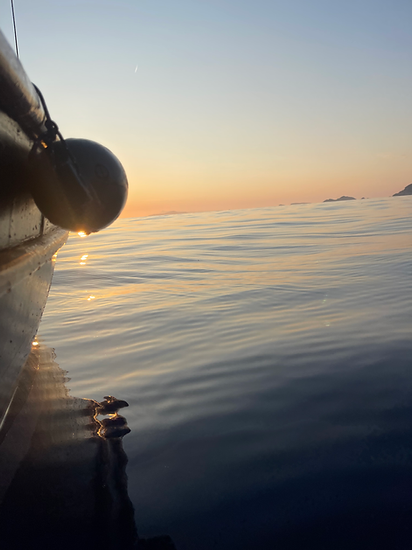

You are finally standing at the harbor, sunglasses on, cooler packed, phone ready for cave photos, and then comes the part some first-time renters quietly worry about - the briefing. If you have ever wondered what a boat safety briefing explained in plain English actually sounds like, the short answer is this: it is a calm, practical walkthrough that helps you enjoy your day with more confidence and fewer surprises.
For many vacationers, the word briefing sounds formal, almost intimidating. In reality, it is usually the moment where everything starts to feel easy. A good briefing turns a boat from something unfamiliar into something simple and manageable. It is not there to test you. It is there to prepare you.
What a boat safety briefing explained really means
A boat safety briefing is the short safety and orientation talk you receive before leaving the port. On a self-drive rental, especially for beginners, this is one of the most important parts of the experience. It covers how the boat works, where you can go, what to avoid, and what to do if anything unexpected happens.
Think of it as the boating version of getting the keys, local advice, and peace of mind all at once. You are not expected to arrive already knowing everything. The whole point is to make sure you feel clear about the basics before heading out along the coast.
That matters even more when your goal is a relaxed day of swimming, snorkeling, and exploring hidden spots by sea. Freedom on the water feels much better when you know exactly how to handle the boat and what the simple rules are.
Why the briefing matters more than people expect
A lot of guests assume the briefing is mostly about rules. Some of it is, of course. Safety always comes first. But the real value is that it removes uncertainty.
When people feel nervous before driving a boat for the first time, it is usually not because the boat is too difficult. It is because they do not know what to expect. Once someone shows you the controls, explains how to start and stop smoothly, points out where the safety equipment is, and gives you clear route guidance, the experience becomes much more relaxed.
It also helps avoid the small mistakes that can interrupt an otherwise perfect day. Things like approaching shore too closely, anchoring in the wrong place, or not knowing how to trim your speed in busier areas are easy to prevent when someone explains them properly before departure.
What is usually covered in the briefing
The exact details depend on the boat, the weather, and your experience level, but most briefings cover the same essentials. First comes the boat itself. You will be shown the controls in simple terms - throttle, steering, ignition, kill switch, anchor, and fuel information. This is usually much easier than first-timers expect.
Then comes the safety equipment. You will be shown where the life jackets are, where other basic emergency items are stored, and how to use them if needed. Even if you never touch any of it during your trip, knowing where everything is makes a real difference.
After that, the route and local area are explained. This part is especially useful because local waters always have their own rhythm. You may hear where it is ideal to swim, where the sea caves are, which beaches are best reached by boat, and which sections require extra care. On the northwest coast near Paleokastritsa and Liapades, that local guidance helps guests enjoy the best parts of the day without straying beyond the safe cruising area.
Weather and sea conditions are often part of the conversation too. Not every day on the water feels the same. A briefing may include advice on wind direction, wave conditions, and how to adjust your plan if the sea changes later in the day. That is where local experience becomes incredibly valuable.
Finally, you are usually told what to do if you need help. This includes who to call, how to communicate your location, and what simple steps to take if the engine stops, the anchor sticks, or you are unsure about conditions. Most issues are minor and easy to solve, but they feel far less stressful when you know the response in advance.
Boat safety briefing explained for first-time drivers
If you have never driven a boat before, you are probably wondering what the actual learning curve feels like. The honest answer is that it depends on the person, but most beginners adapt quickly when the instructions are clear and the area is suitable for easy coastal cruising.
You are not being trained for open-sea navigation. You are being shown how to enjoy a straightforward local boating experience responsibly. That is a big difference. A beginner briefing usually focuses on low-speed control, smooth acceleration, safe distance from rocks and swimmers, and the practical side of anchoring for a swim stop.
The best briefings also match your pace. Some guests want a quick overview and are ready to go. Others want the controls repeated once or twice before they feel comfortable. Both are completely normal. A good team will explain things simply, answer questions without rushing, and make sure you are genuinely ready before departure.
That is why beginners often come back from a boat day saying the same thing: they expected it to feel stressful, but it felt easy once someone walked them through it.
What the briefing does not mean
A briefing is not a formality to rush through so you can leave faster. It is not a pile of technical language. And it is not a sign that boating is dangerous by default.
It means the experience is being handled responsibly. On vacation, that is exactly what you want. You want the fun of discovering quiet beaches and blue water with the comfort of knowing someone has already explained the essentials.
It also does not mean every situation has one fixed answer. Good boating always includes a bit of judgment. If the sea becomes choppier than expected, if a swimming spot looks crowded, or if conditions change during the day, the right choice may be to slow down, change your stop, or head back a little earlier. That flexibility is part of being safe, not part of missing out.
Questions you should feel free to ask
Guests sometimes stay quiet during the briefing because they do not want to sound inexperienced. That is a mistake. This is exactly the moment to ask anything that is on your mind.
If you are unsure how the anchor works, ask. If you want to know the easiest cave area for photos and swimming, ask. If you are concerned about handling the boat with children on board, ask. If you want to understand fuel use so you can plan your day better, ask that too.
Simple questions lead to better days on the water. The goal is not to impress anyone with boating knowledge. The goal is to leave the port feeling relaxed and ready.
Why local briefings are better than generic advice
You can read general boating tips online all day, but local briefing advice is what really helps on vacation. Every coastal area has its own details - the shape of the bays, the busiest swim times, the calmer routes, the places where anchoring is easier, and the sections best avoided when conditions shift.
That local perspective matters when your day is built around enjoying the coastline, not figuring it out through trial and error. In a place known for sea caves, clear water, and tucked-away beaches, the right guidance lets you spend more time swimming and exploring and less time second-guessing your decisions.
This is where a welcoming, beginner-friendly approach makes such a difference. A short conversation before departure can save you from confusion later and turn your trip into the kind of day that feels effortless.
The real purpose of a good safety briefing
At its best, a briefing does something very simple. It replaces hesitation with confidence.
You still respect the sea. You still follow the local rules. You still stay within the recommended cruising area and make sensible choices based on the conditions. But instead of feeling like you are borrowing a complicated machine, you feel like you are stepping into your own day of adventure with the right support behind you.
That is why the briefing deserves more attention than it gets. It is not the dull part before the fun starts. It is the reason the fun feels easy once you are out there, passing cliffs, dropping anchor in clear water, and finding those quiet moments that only make sense from a boat.
If you are planning your first day at sea, treat the briefing as part of the experience, not a delay before it. Listen closely, ask whatever you need, and let that little pocket of guidance set the tone for the whole trip. A good boat day usually starts long before the engine does.


